
Category: Parshanut
Free Will is Responsibility
Of all the questions surrounding the ten plagues of Egypt, none has captured the interest of commentators throughout the ages as much as the question of how can God disrupt Pharaoh’s decision-making process, and then hold him accountable for it. This question fascinates believers because it has direct application to their lives in terms of the purpose and the value of their actions.
May 27, 2026 , Parshanut, Philosophy of Torah
Finding Humanity in Captivity
The opening paragraph of Parashat Ki Tetze (Deut. 21: 10-14) is shocking. In it, the Torah instructs Israelite soldiers how to capture and then violate the women of the enemy.
May 27, 2026 , Parshanut
On Trust and Leadership - Why the Book of Numbers is not about numbers
Why the Book of Numbers is not about numbers -- What’s in a name? The book of BeMidbar suffers of somewhat of an identity crisis. It is easy to determine the identity of the other books of the Torah. Genesis is about the creation and the life of the forefathers, Exodus is about the exodus and the tabernacle, Leviticus deals with the laws of the Levites and the Kohanim, and Deuteronomy, as its names suggest, is the repetition and review of law and history. But what is BeMidbar about? Numbers?
May 27, 2026 , Parshanut
Noah: What Did Ham Do?
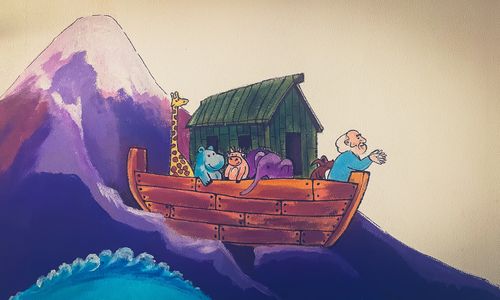
The Torah could not have been clearer when describing Ham’s sin, yet the commentators refused to accept the Torah’s words at face value. Maybe they felt that seeing one’s father naked does not deserve a mention in the Torah, or maybe because Noah’s reaction, an eternal curse cast upon Canaan, Ham’s youngest son, would seem exaggerated if Ham only walked in on him.
May 27, 2026 , Parshanut
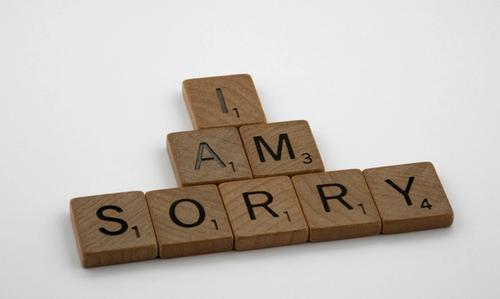
Face It! On Apology and Forgiveness
Many people (particularly men) often find themselves in a state of confusion and bewilderment when other people (particularly their wives) recall incidents or offenses from times immemorial. “I can’t believe that you still bring this up,” a husband might say, “I thought we put it to rest long ago.” “I didn’t put it to rest, you did” would be the answer.
May 27, 2026 , Parshanut

Home, Temple, Heaven – Tetzave
For Parashat Tetzave: Mishkan Sweet Mishkan What can the Mishkan be analogized to? When I present this question at a class, the first, intuitive answer, is that the Mishkan resembles a home, and the second, which comes after a minute of contemplation, is the Garden of Eden.
May 26, 2026 , Parshanut

Reading Between the Lines
For Parashat VaYeshev: I have a confession to make. I love Tanakh. Obsessed with Tanakh. I go back to familiar verses and read them over and over again, looking for unturned stones under which I find treasures. At times, I feel that commentary takes away from the beauty and dynamics of the biblical narrative as the reader travels back and forth from text to commentary. I therefore ask for your indulgence in presenting the first chapter of the Parasha, with my commentary in an experimental way.
May 26, 2026 , Parshanut

Royal Letters
Unearthed from the pages of the Torah, presented here is a correspondence between Yosef and Yaakov following their reunion at Goshen.
May 26, 2026 , Parshanut

Beginner’s Guide to Hassidut
For Parashat Mishpatim: Immediately following the momentous event of Mount Sinai, the Israelites are handed a long list of laws and regulations, detailed in Parashat Mishpatim. Surprisingly, these laws have very little to do with rituals, sacrifices, or spirituality. Rather, they deal with financial and physical damages, and with the responsibilities of borrowers and renters. To understand this interesting choice of the Torah, let us turn to the Mussar literature.
May 26, 2026 , Parshanut

Contemporary Justice
It is highly significant that the Torah refers the litigants to “the judge who will then preside”. The Torah’s ideal judicial system is one which does not rely on precedents and which is undaunted by the rulings of luminaries of past centuries. The judge, rabbi, Dayyan, or scholar who lived in the past can provide us with insights and guidance, but not a final verdict, because life keeps changing and only the contemporary judge can fully comprehend the circumstances of a problem and the consequences of a ruling.
May 26, 2026 , Parshanut