
Category: Parshanut

Noah – Parasha Pointers
Noah means comfortable. In 5:29 his father names him so with the hope the new child will bring comfort, yet in 6:6 and in 6:7 the verb נחם, which means to comfort, is used in its other meaning – to regret.
June 1, 2026 , Parshanut
Can a Man Be Unbiased? – Shofetim
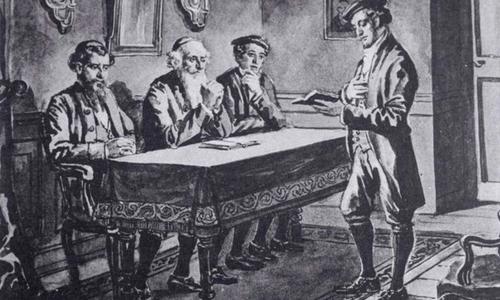
Justice, justice shall you pursue, so that you may live and take hold of the land that YHWH your God is about to give you. The Torah stresses, both directly and indirectly, the importance of a judicial system which takes care of all citizens. ... The question must be asked now: can we trust that a male judge will not be biased in favor of men?
June 1, 2026 , Parshanut, Philosophy of Torah
Understanding Rashi – BeShalah
1. Shemot 13:17 – Why does Rashi refrain from citing the Midrash? 2. Shemot 13:18 – Did 2.4 million Israelite men die just before the exodus? 3. Food for thought: Did the Israelites pray at the Red Sea?
June 1, 2026 , Parshanut

Wrestling a Piece of Canaan
This twenty-verse long paragraph teaches us of Avraham’s struggles to gain permanence in Canaan. It is also a marvelous example of the complexity and subtlety of the biblical narrative.
May 31, 2026 , Parshanut

Who is in the Details?
We are taught to believe that the text of the Torah is extremely economic and succinct, and that Torah and redundancy are mutually exclusive. We therefore cannot help but wonder why the Torah is so verbose when describing the construction of the Tabernacle.
May 31, 2026 , Parshanut, Philosophy of Torah

Lekh Lekha – Parasha Pointers
Some parsha Pointers for Parshat Lekh Lekha...
May 31, 2026 , Parshanut
The Eight Commandments
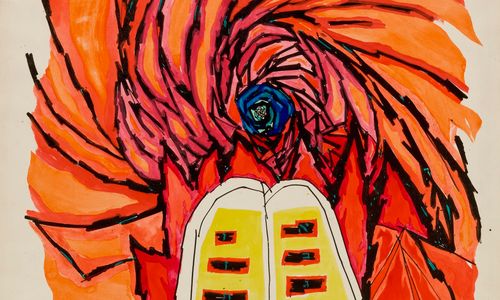
The Torah refers to the content of the Tablets of the Law, given to Moshe on Mount Sinai, not as the Ten Commandments, but rather as עשרת הדברים – the Ten Concepts (Ex. 34:28; Det. 4:13; 10:4). That is because the first and the last of the ten concepts cannot be counted as commandments, hence the title of this article.
May 31, 2026 , Philosophy of Torah, Parshanut

The Thirteen Attributes of God
In a famous passage in Exodus, God reveals some of His ways to Moses, who is hidden at the crevice of the rock. This very powerful passage is recited numerous times on Kippur with great enthusiasm. To continue the prayer, skip to the next Hebrew section. If you wish to better understand the message of this paragraph and how it applies to our current life, here is a reflection on it:
May 31, 2026 , Parshanut, Philosophy of Torah

Curing Narrow-Mindedness
When the leper heals, he brings two live birds, cedar, crimson wool, and hyssop. The priest will slaughter one bird onto a clay vessel filled with fresh water. He will then dip the live bird, with the cedar, crimson wool, and hyssop, in the mixture of blood and water. He will sprinkle it on the healing leper seven times, and will then let the live bird fly into the fields. (Free translation of Lev. 14:2-7)
May 31, 2026 , Parshanut
You and God
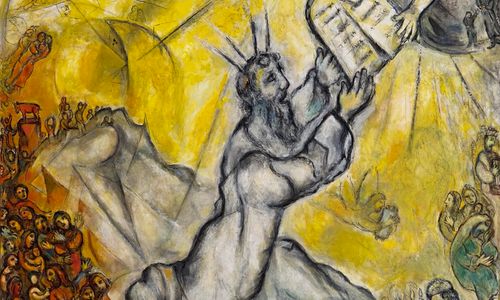
First Two of the Ten Concepts: וַיִּכְתֹּ֣ב עַל־הַלֻּחֹ֗ת אֵ֚ת דִּבְרֵ֣י הַבְּרִ֔ית עֲשֶׂ֖רֶת הַדְּבָרִֽים He [Moshe] wrote on the tablets the words of the covenant, the ten concepts (Ex. 34:28)
May 27, 2026 , Parshanut, Philosophy of Torah