Category: Philosophy of Torah
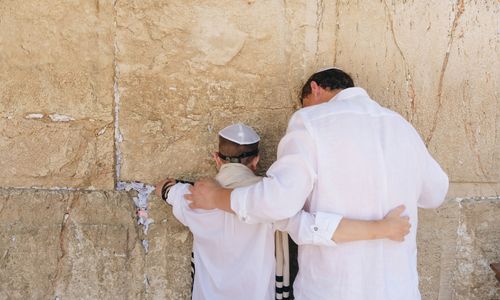
Jewish Education in the 21st Century
To create a perfect, or at least optimal, system of Jewish education, we first must define the desired outcome. What do we expect our child to become after 12 years of Jewish education? I believe that the answer is that we would aspire to have a young person who is excited and proud about being Jewish, who is determined to lead a Jewish life, to contribute to society, and to bring up the next generation with the same conviction.
June 1, 2026 , Philosophy of Torah
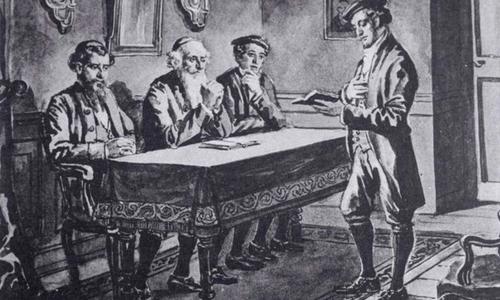
Can a Man Be Unbiased? – Shofetim
Justice, justice shall you pursue, so that you may live and take hold of the land that YHWH your God is about to give you. The Torah stresses, both directly and indirectly, the importance of a judicial system which takes care of all citizens. ... The question must be asked now: can we trust that a male judge will not be biased in favor of men?
June 1, 2026 , Parshanut, Philosophy of Torah
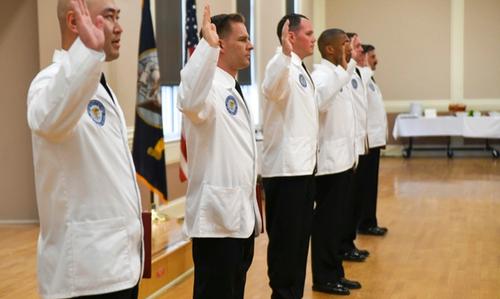
Forgive Me, For I have Vowed
In Parashat Mattot we are introduced to the legal intricacies of making vows. I am using the word “vow” here in its halakhic sense, which is a commitment to perform or avoid a certain action. The rabbis of the Mishnah argued that vows can be undone if it can be proven that the one who took the vow was not fully aware of its implications.
May 31, 2026 , Philosophy of Torah

Who is in the Details?
We are taught to believe that the text of the Torah is extremely economic and succinct, and that Torah and redundancy are mutually exclusive. We therefore cannot help but wonder why the Torah is so verbose when describing the construction of the Tabernacle.
May 31, 2026 , Parshanut, Philosophy of Torah
The Eight Commandments
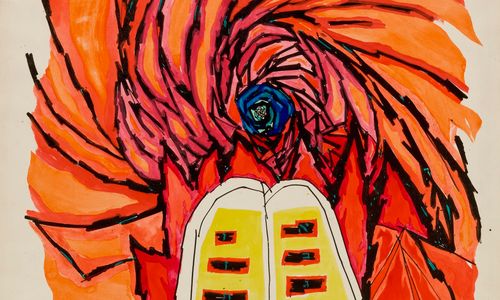
The Torah refers to the content of the Tablets of the Law, given to Moshe on Mount Sinai, not as the Ten Commandments, but rather as עשרת הדברים – the Ten Concepts (Ex. 34:28; Det. 4:13; 10:4). That is because the first and the last of the ten concepts cannot be counted as commandments, hence the title of this article.
May 31, 2026 , Philosophy of Torah, Parshanut

The Thirteen Attributes of God
In a famous passage in Exodus, God reveals some of His ways to Moses, who is hidden at the crevice of the rock. This very powerful passage is recited numerous times on Kippur with great enthusiasm. To continue the prayer, skip to the next Hebrew section. If you wish to better understand the message of this paragraph and how it applies to our current life, here is a reflection on it:
May 31, 2026 , Parshanut, Philosophy of Torah

Embracing Life
At first sight the laws of Nazir, detailed in Parashat Nasso, seem to suggest that the Torah encourages people to take upon themselves vows of abstinence. A closer, contextual reading, makes it clear that the life of a hermit, away from society and from the world’s bounty, is not the Torah’s idea of a perfect life.
May 31, 2026 , Philosophy of Torah

Give Earth a Break
The term Tree Hugger is not usually associated with observant Jews, which is truly hurtful and unfair, because we hug a tree at least four times a week. We do it, religiously, on Mondays and Thursdays, Shabbat mornings and afternoons. We gather around our tree, touch it, kiss it and then sit quietly and serenely listen to what it has to say. Yes, I am referring to the famous tree of Proverbs (3:18): עץ חיים היא למחזיקים בה – She (the Torah) is a tree of life to those who adhere to her
May 31, 2026 , Philosophy of Torah

The Gifts of the Torah
Let us keep an eye, when we read the Tanakh and when we study the history of the Jewish People, for those gifts, and let us ask how can we use them to benefit the whole world.
May 31, 2026 , Philosophy of Torah
You and God
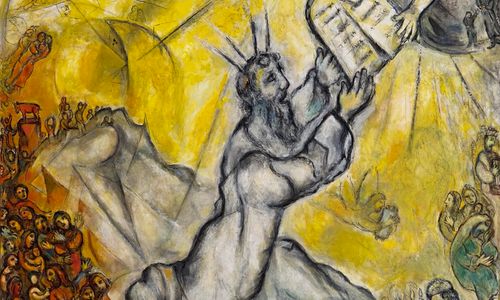
First Two of the Ten Concepts: וַיִּכְתֹּ֣ב עַל־הַלֻּחֹ֗ת אֵ֚ת דִּבְרֵ֣י הַבְּרִ֔ית עֲשֶׂ֖רֶת הַדְּבָרִֽים He [Moshe] wrote on the tablets the words of the covenant, the ten concepts (Ex. 34:28)
May 27, 2026 , Parshanut, Philosophy of Torah